

Residential – Mold Damage
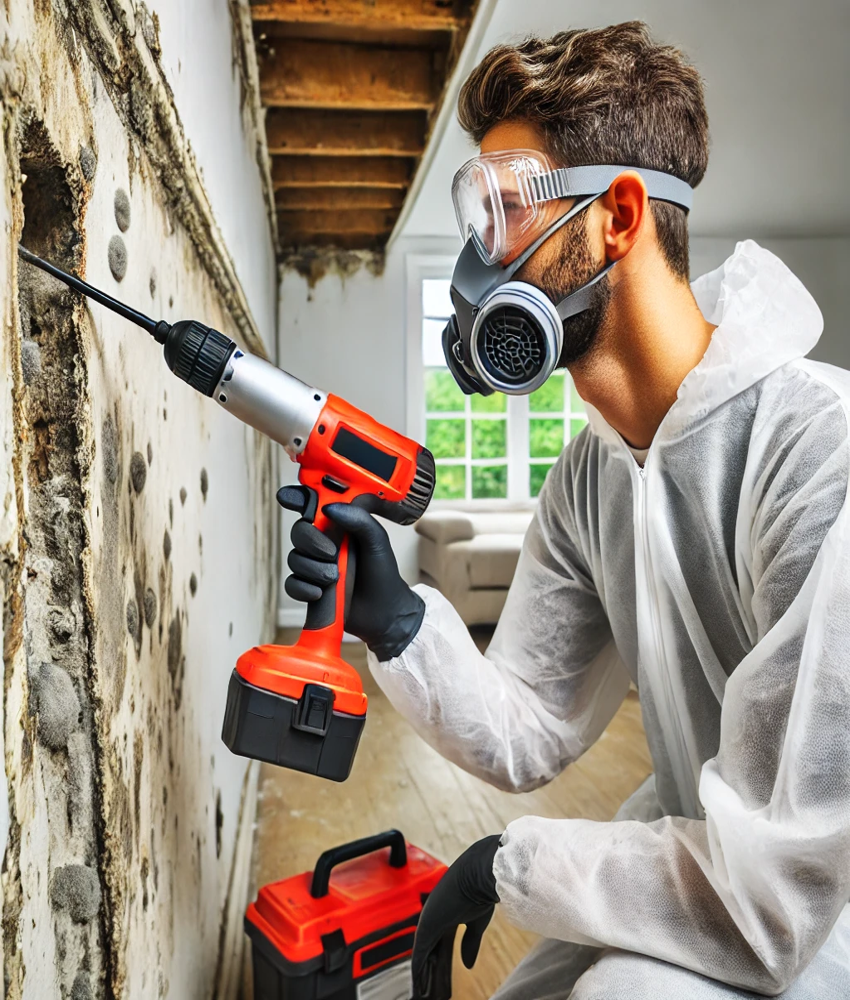
Professional Mold Remediation Services For Your New Hampshire Home
Living in New Hampshire means contending with a humid continental climate that often results in persistent moisture problems within homes. The combination of -20°F winters, over 60 inches of snow annually, and seasonal ice storms creates ideal conditions for mold growth if proper mitigation measures aren’t taken. Whether you own a historic Colonial or a lakeside cottage in the Lakes Region, excess humidity and water intrusion can seep into your walls and foundations. Our professional mold remediation services are specifically designed to protect New Hampshire homes from the hidden dangers of mold proliferation caused by these climate challenges.
New Hampshire’s unique geography, including the White Mountains, Connecticut River valley, and Merrimack River, influences local weather patterns and moisture levels. These areas are prone to heavy rainfall and rapid snowmelt, which can lead to water intrusion in basements and crawl spaces. Older construction styles, such as fieldstone foundations and clapboard exteriors, are especially vulnerable to moisture infiltration. Our team specializes in assessing and addressing mold issues in various building types, ensuring that your home remains safe and healthy despite the state’s unpredictable weather conditions.
Moisture intrusion is a common issue in New Hampshire’s lakeside cottages and rural homes, especially those located near water bodies like the Lakes Region. The constant exposure to high humidity levels encourages mold spores to settle and grow, often unseen until significant damage has occurred. Our mold remediation services focus on identifying these hidden colonies early, preventing structural deterioration and health risks. We utilize advanced moisture detection tools tailored to the specific needs of New Hampshire homes, allowing us to develop targeted solutions that combat mold growth effectively.
Homes built with traditional New England construction materials, like wood framing and clapboard siding, are especially susceptible to mold if moisture isn’t properly managed. The cold winters can cause condensation issues, while summer humidity increases the risk of mold spores thriving in damp environments. Our team understands these local building challenges and uses proven techniques for mold removal, containment, and prevention, ensuring your home’s integrity is preserved year-round. Protecting your property from mold not only maintains its value but also safeguards your family’s health against airborne spores.
In addition to visible mold, many New Hampshire homes suffer from hidden mold growth behind walls or under flooring, often caused by past water damage or ongoing moisture problems. Common sources include leaking pipes, roof leaks during winter storms, or poor drainage around foundations. Our professional mold remediation services include thorough inspections to locate these unseen hazards and comprehensive cleanup procedures to eliminate mold colonies completely. Restoring your home’s air quality and structural health is our top priority, especially in regions prone to severe weather events like nor’easters and ice storms.
Choosing a local, experienced mold remediation provider in New Hampshire ensures your home receives tailored solutions suited to the state’s climate and construction styles. Our team is familiar with the specific challenges posed by the White Mountains’ rugged terrain and the Connecticut River valley’s humidity. We adhere to strict industry standards and utilize eco-friendly, effective cleaning agents to remove mold spores safely. With our expertise, you can be confident that your home will be protected from future mold growth, even during harsh New Hampshire winters or humid summer months.
Comprehensive Mold Inspection and Removal...
At Water Damage Repair of New Hampshire, we understand that a thorough mold inspection is essential to accurately identify hidden moisture sources and mold growth within your home. The state’s humid continental climate, with harsh winters dropping to -20°F and frequent snowfalls of 60-100 inches, creates ideal conditions for mold development, especially in homes with traditional New England clapboard exteriors, fieldstone foundations, or lakeside cottages. Our trained technicians utilize advanced moisture detection tools to assess every corner of your property, from the cozy Colonial interiors to the basements and crawl spaces prone to dampness during the thawing season.
Once mold is detected, our comprehensive mold remediation process begins with careful containment to prevent spores from spreading. We tailor our approach to the unique architecture of your NH home, ensuring delicate preservation of historic features while eliminating mold growth. Our team also performs air quality testing to gauge the severity of contamination and verify the effectiveness of our remediation efforts, protecting your family’s health from airborne mold spores and mycotoxins.
Moisture control is critical in New Hampshire’s climate, where ice storms and nor’easters often lead to water intrusion and high indoor humidity. We implement targeted dehumidification, proper ventilation, and sealing techniques to reduce future mold risks, especially around vulnerable areas like basements and foundation walls. Additionally, we provide expert advice on mold prevention strategies, including routine inspections and maintenance tailored to your home’s construction style and local weather patterns, helping you safeguard your NH residence from mold recurrence for years to come.
Safeguarding Your Home from Future Mold Growth...
At Water Damage Repair of New Hampshire, we understand that safeguarding your home from future mold growth is crucial for preserving your property’s integrity and ensuring the health of your family. The unique climate conditions in New Hampshire, characterized by humid summers and cold, snowy winters, create an ideal environment for mold to thrive if proper precautions are not taken. Our team specializes in comprehensive mold prevention strategies tailored specifically to the diverse building styles found across the state, from historic Colonial homes to modern lakeside cottages. Proactive measures are essential to avoid costly repairs and long-term health issues associated with mold exposure.
In the White Mountains and Lakes Region, homes often feature clapboard siding and fieldstone foundations that can trap moisture if not properly maintained. During harsh winter months, with temperatures plummeting to -20F and heavy snowfall reaching 60-100 inches annually, moisture intrusion becomes a significant risk. Ice storms and nor’easters further exacerbate water infiltration, especially in poorly sealed or damaged areas. Our experts recommend routine inspections of your building’s exterior, focusing on vulnerable joints, window frames, and foundation cracks to prevent moisture from seeping inside and creating the perfect environment for mold growth.
Proper ventilation is a cornerstone of mold prevention in New Hampshire homes. Many older structures, such as traditional New England clapboard houses, lack adequate airflow, which can lead to humidity buildup indoors during the humid summers and warm springs. Installing or upgrading ventilation systems, including exhaust fans in bathrooms and kitchens, helps maintain optimal indoor humidity levels below 60%. Additionally, using dehumidifiers in basements and crawl spaces can significantly reduce moisture content, especially in areas with fieldstone foundations that are more prone to dampness due to their porous nature.
Given the region’s geographical features, such as proximity to lakes and rivers like the Connecticut River and Merrimack River, water intrusion risks are heightened during spring thaws and heavy rainfalls. These conditions can cause basement flooding or seepage through foundation cracks. Our team emphasizes the importance of waterproofing measures, such as sump pumps, drainage improvements, and sealing foundation walls. These steps are vital in preventing prolonged moisture exposure that encourages mold development, particularly in lakefront cottages where seasonal moisture levels fluctuate dramatically.
Addressing leaks promptly is another critical aspect of mold prevention. In New Hampshire, where snowmelt and ice storms can cause ice dams, water may back up under roof shingles or through damaged flashing, leading to interior leaks. Regular roof inspections and maintenance of gutters and downspouts are essential to divert water away from the foundation and structural components. Preventing water intrusion at its source minimizes the risk of hidden mold growth behind walls, under flooring, or within insulation, safeguarding your home for years to come.
Finally, education and ongoing maintenance are vital for long-term mold prevention in New Hampshire homes. Homeowners should be aware of the signs of excess moisture, such as musty odors, discoloration, or visible mold patches. Routine inspections, especially after severe weather events or seasonal changes, can catch problems early. Our team at Water Damage Repair of New Hampshire offers expert guidance on best practices for moisture control, mold-resistant building materials, and proper cleaning techniques. Together, we can ensure your home remains protected against mold, even amidst the region’s challenging climate and diverse landscapes.

Residential
Fast, Reliable Water Damage Repair
Act now! Contact our 24/7 team for immediate water damage restoration and protect your property today.
Call Water Damage Repair of New Hampshire for a free estimate today!
Our team is standing by to assist you with all your needs. Give us a call today !